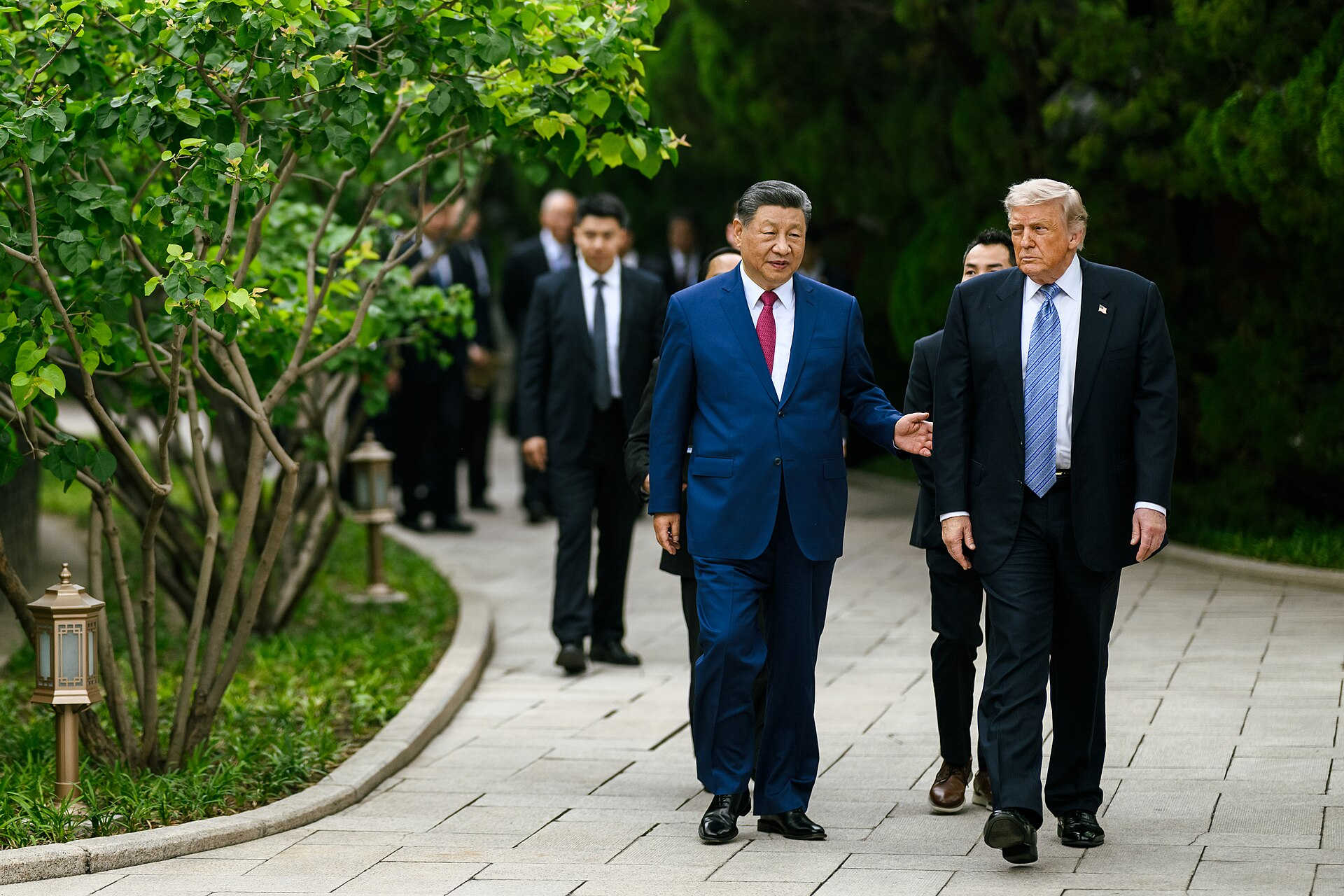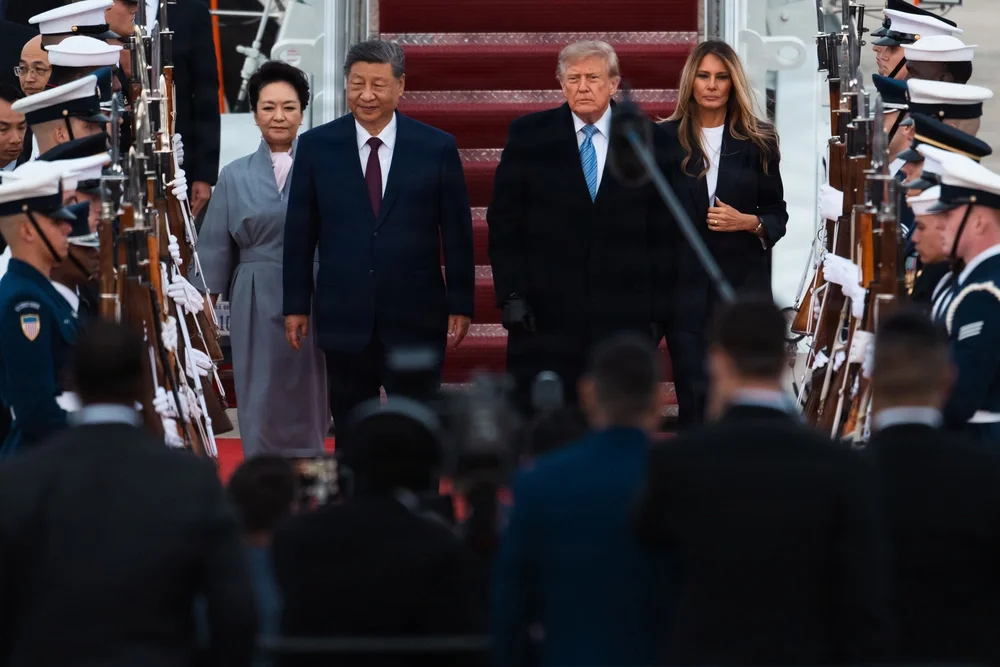
Xi's state visit to Washington delivered a clear signal to Chinese families: educational ties with the U.S. are welcome again. Here's why this recruitment cycle is the best opening in years, and how to make the most of it.
Read More
Xi's state visit to Washington delivered a clear signal to Chinese families: educational ties with the U.S. are welcome again. Here's why this recruitment cycle is the best opening in years, and how to make the most of it.
Read MoreParents in China consult a variety of sources when considering overseas study options, with official state media serving as a key channel for both factual information and insight into China’s relations with destination countries. The mid-2026 Trump-Xi summit in Beijing, reinforced by the anticipated Xi visit to the US this fall, has locked in a period of strategic stability.
Read MoreFor over a decade, international student recruitment in China followed a familiar digital playbook: a search-optimized ICP-compliant Chinese website and an active presence on WeChat or Weibo, along with some Baidu SEO, were enough to keep your institution discoverable. Today, Chinese students are increasingly turning to domestic generative AI chatbots like DeepSeek, Doubao, Kimi, Ernie Bot, Tongyi Qianwen and Yuanbao, to research, compare, and shortlist overseas programs, rather than clicking through Baidu results pages or going to knowledge platforms and lead aggregation sites…
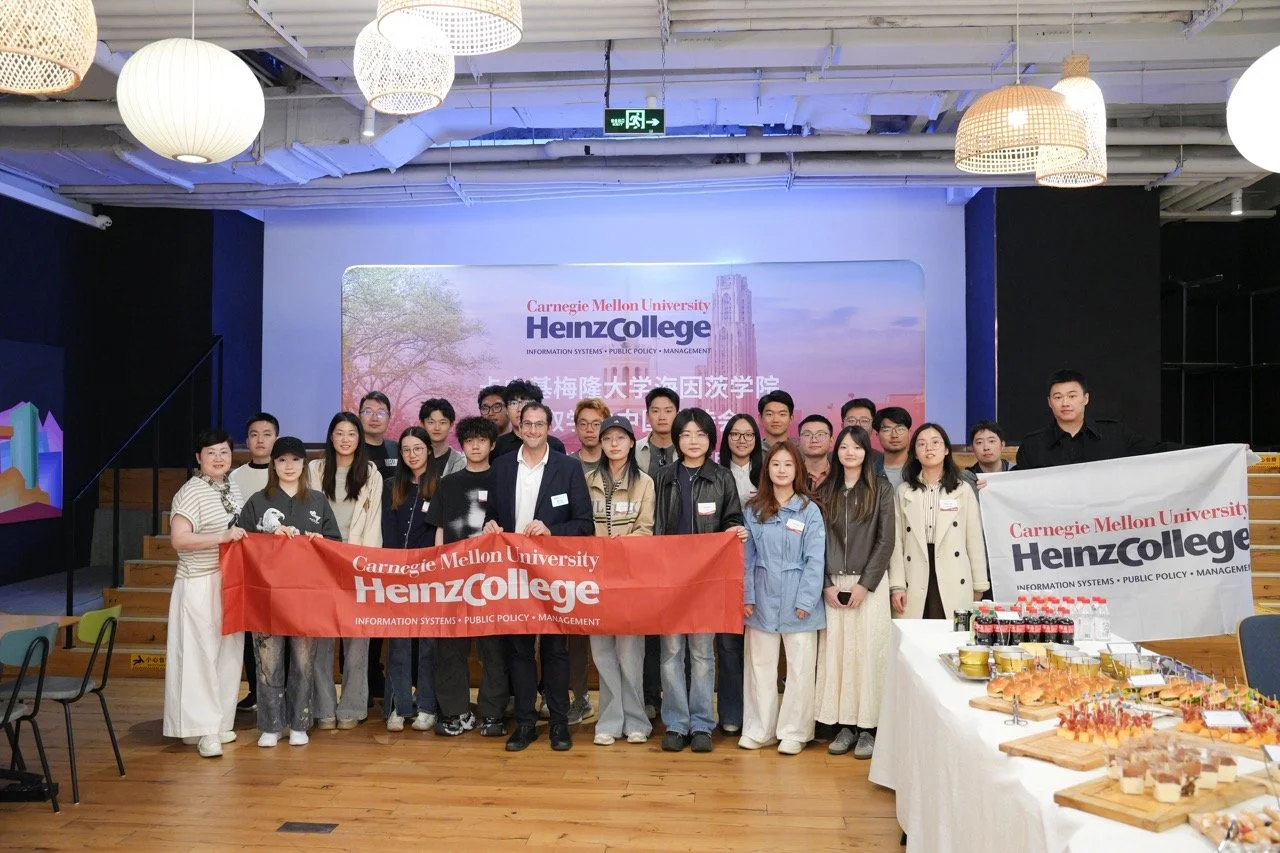
Read MoreOn April 11-12, Sunrise partnered with Carnegie Mellon University's Heinz College to host Heinz Connect receptions in Shanghai and Beijing, bringing together over 120 attendees including newly admitted students, Heinz alumni, and parents across both cities.
Read MoreLast week, Sunrise International presented at the Washington International Education Conference (WIEC), sharing the latest market intelligence on Chinese student recruitment with university leaders and higher education professionals across the United States. Below are the key findings from our 2026 trends analysis.
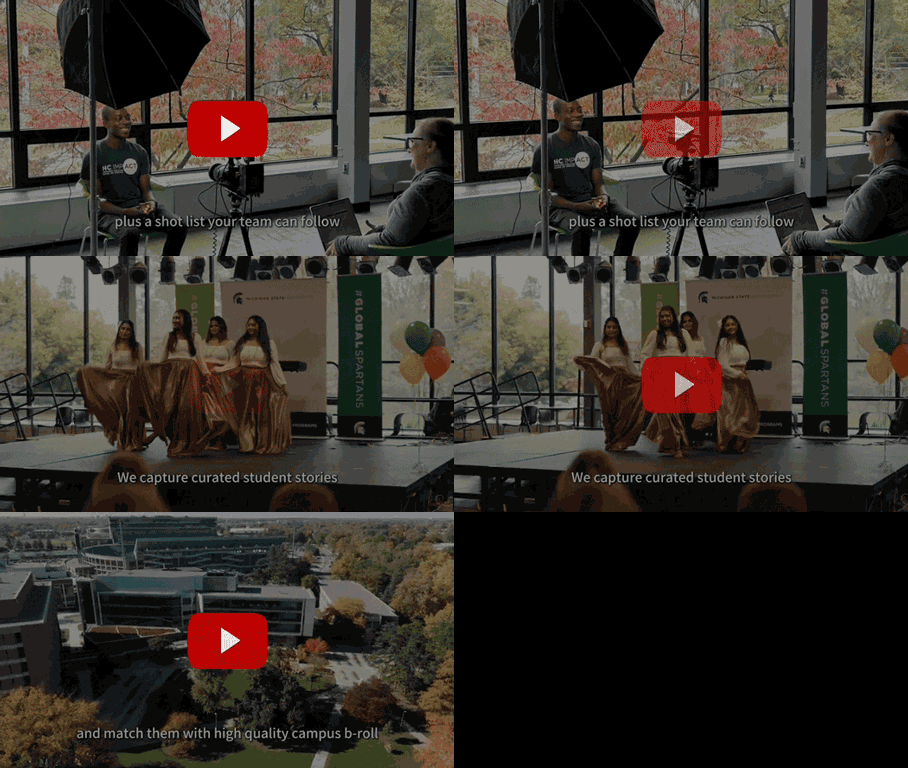
Read MoreChinese students don't start their college search with a brochure. They start with a scroll. A campus tour video, a student testimonial clip, or a short reel on social media often does more to shape early impressions than any printed material a university sends. For admission teams, that shift has made video production a core recruitment tool, not an optional add-on.
The question is whether the video you're producing is actually built for how students discover and evaluate schools today.
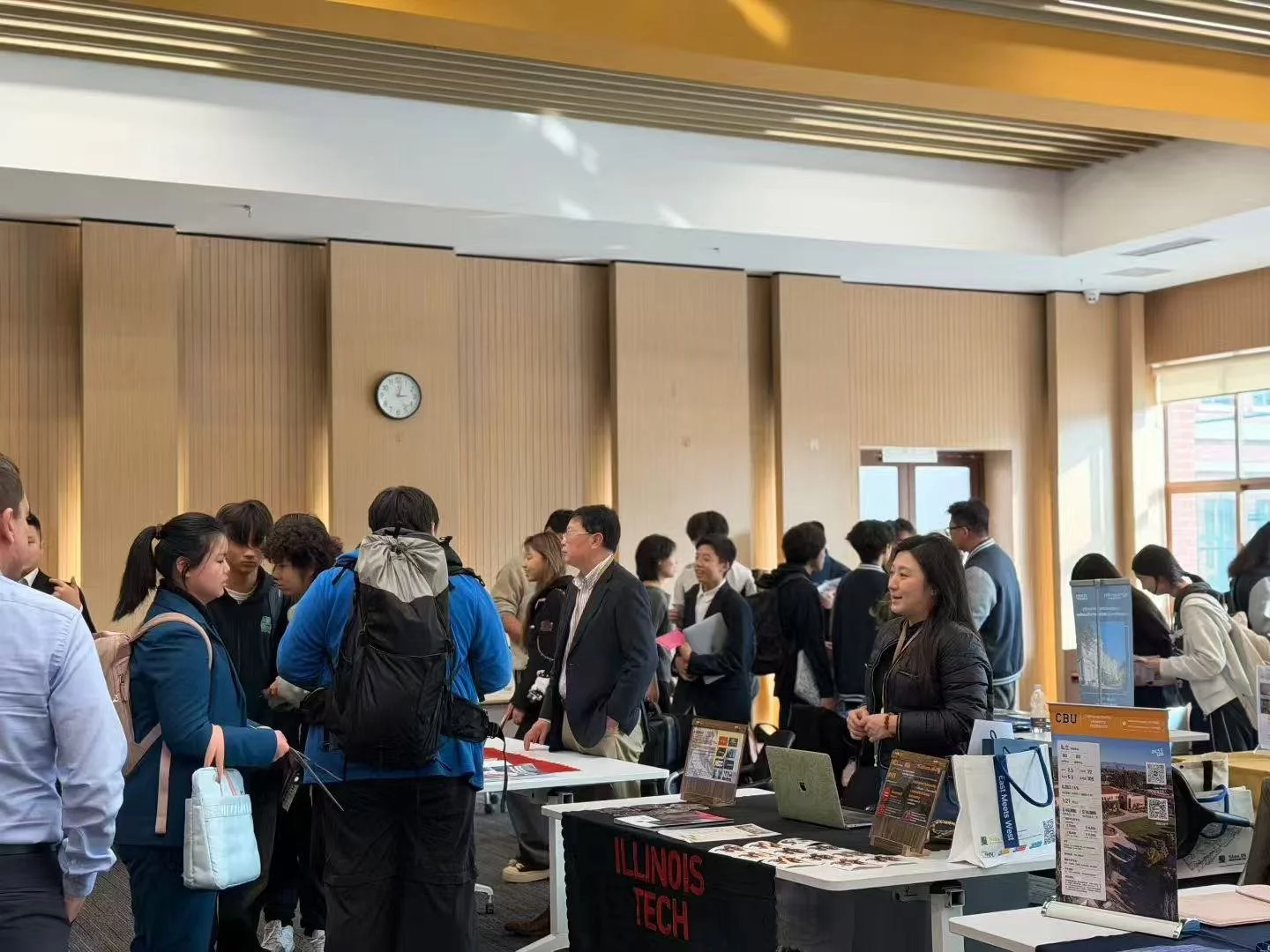
Read MoreIn 2026, ground game will matter most for recruitment in China. China remains a core source of self-funding undergrads and grads. Demand for overseas study is resilient, pulled by higher-quality programs abroad and pushed by a tough job market and a stressful domestic university system. After the pandemic and policy swings in the Big Four Anglophone destinations, students now compare more options and expect face-to-face engagement for clarity and reassurance.
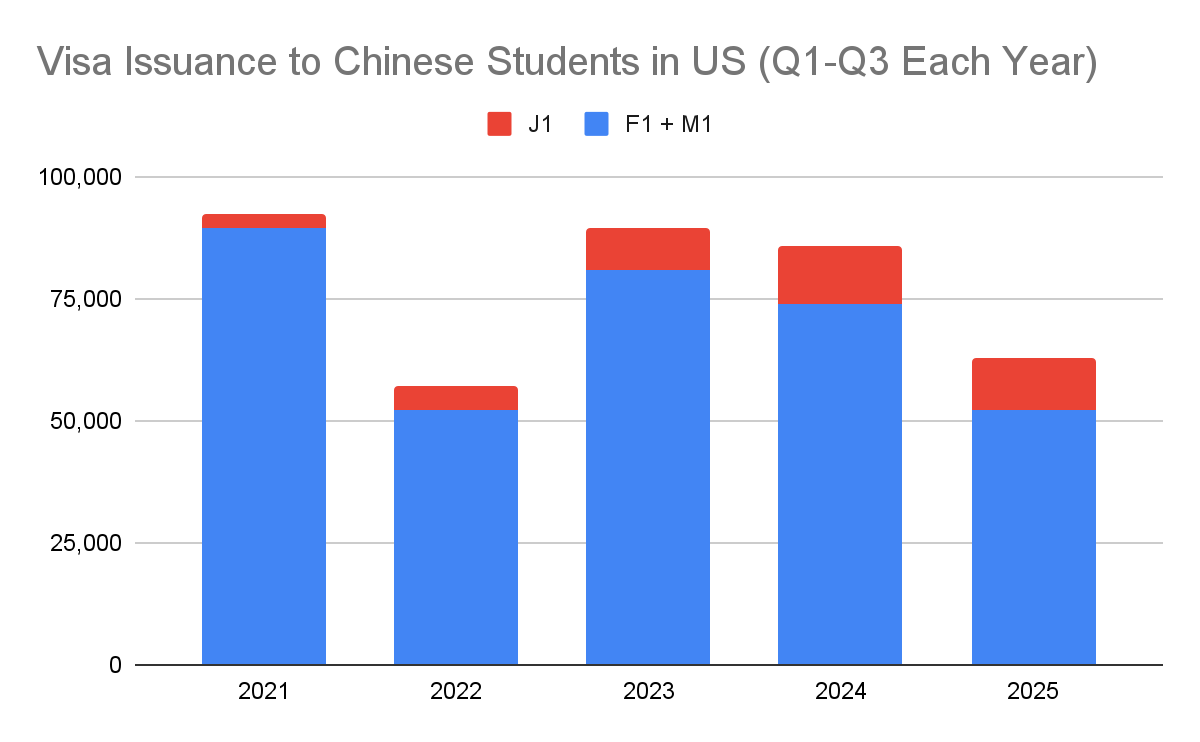
Read MoreFor U.S. universities, recruiting in China can feel like trying to steer by lightning: headlines about geopolitics, visa risk, and trade conflict dominate the news cycle, while the factors that actually shape student decisions move more quietly. In 2026, those quieter signals are unusually worth tracking. Five of them point toward a friendlier environment for U.S. institutions that are willing to get on a plane and rebuild in-person trust.
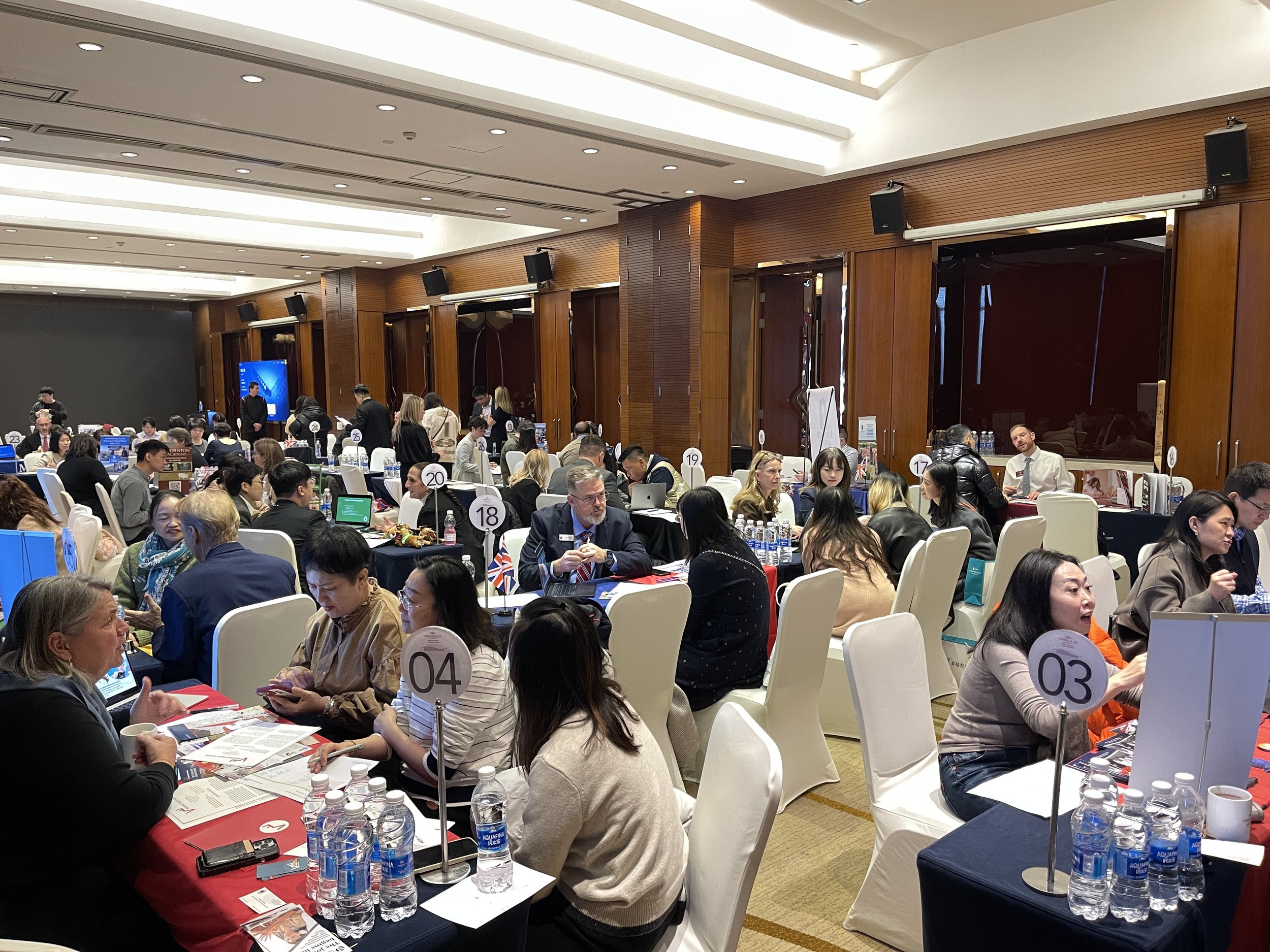
Read MoreFrom November 14-21, Sunrise partnered with SSAT and the Enrollment Management Association to host the SSAT Official Briefing and EMA Overseas High School Partner Connect across Guangzhou, Shanghai, and Beijing. The series brought together 30+ overseas boarding schools and 40+ Chinese education agencies, creating a high value platform for training, direct communication, and early stage partnership development. Across all three cities, the agent speed dating sessions generated 300+ meaningful conversations, giving schools and agencies a rare opportunity to exchange insights efficiently.
Read More