
How AI Search is Transforming Student Recruitment in China
For over a decade, international student recruitment in China followed a familiar digital playbook: a search-optimized ICP-compliant Chinese website and an active presence on WeChat or Weibo, along with some Baidu SEO, were enough to keep your institution discoverable. Today, Chinese students are increasingly turning to domestic generative AI chatbots like DeepSeek, Doubao, Kimi, Ernie Bot, Tongyi Qianwen and Yuanbao, to research, compare, and shortlist overseas programs, rather than clicking through Baidu results pages or going to knowledge platforms and lead aggregation sites. By early 2026, generative AI chatbots accounted for more than 60% of information retrieval among Chinese internet users, a clear shift from keyword-based search to AI-driven Q&A.

As generative AI reshapes how Chinese students search and decide, SEO is evolving. But foundational digital channels like Wechat, RedNote, and a Chinese website are now more important than ever. They remain essential for engaging student communities, and they are now also the primary data sources that AI tools draw from when generating recommendations. A well-maintained Chinese digital presence determines exactly how your institution is described at the exact moment a student is actively building their shortlist.
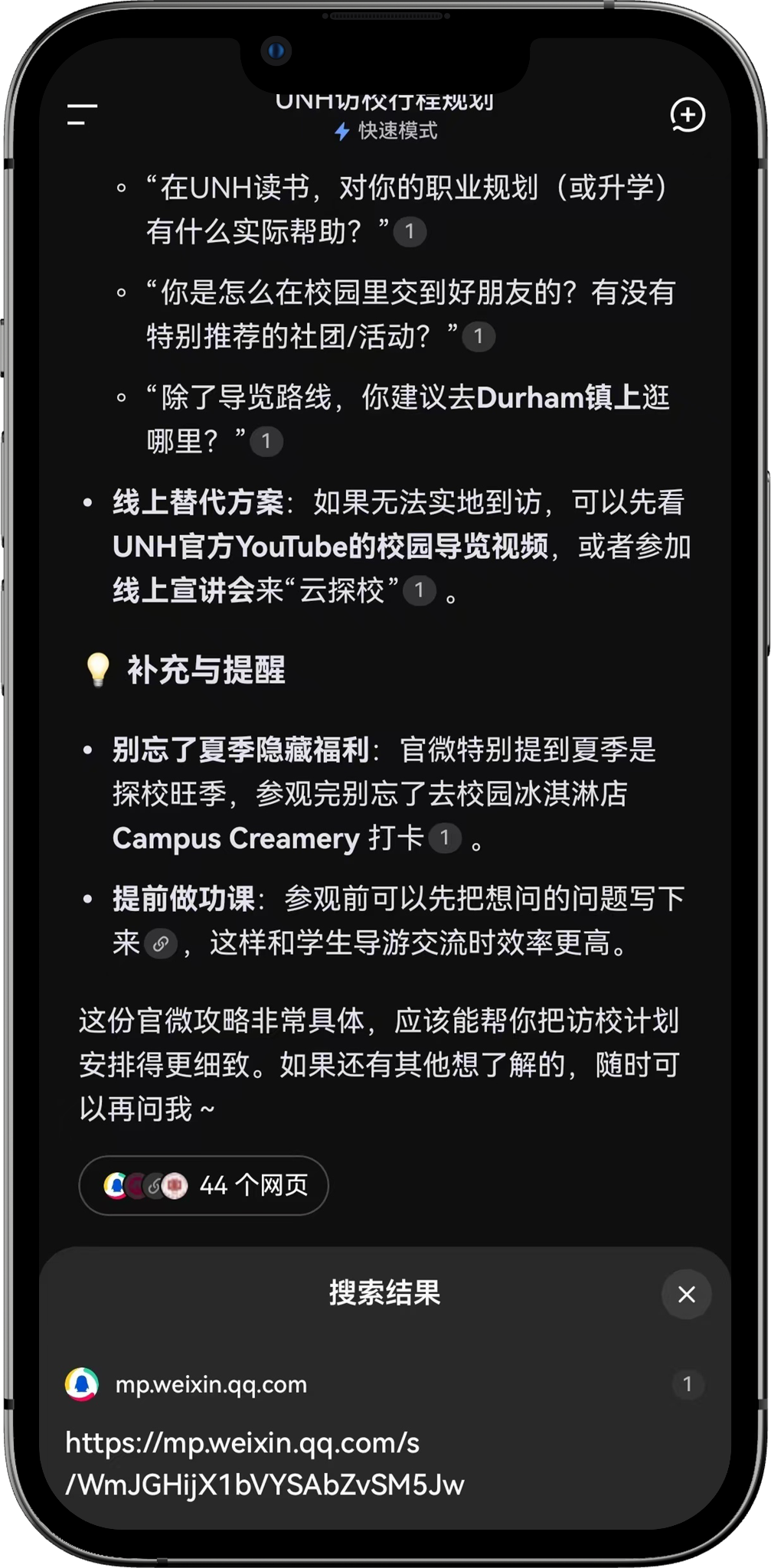
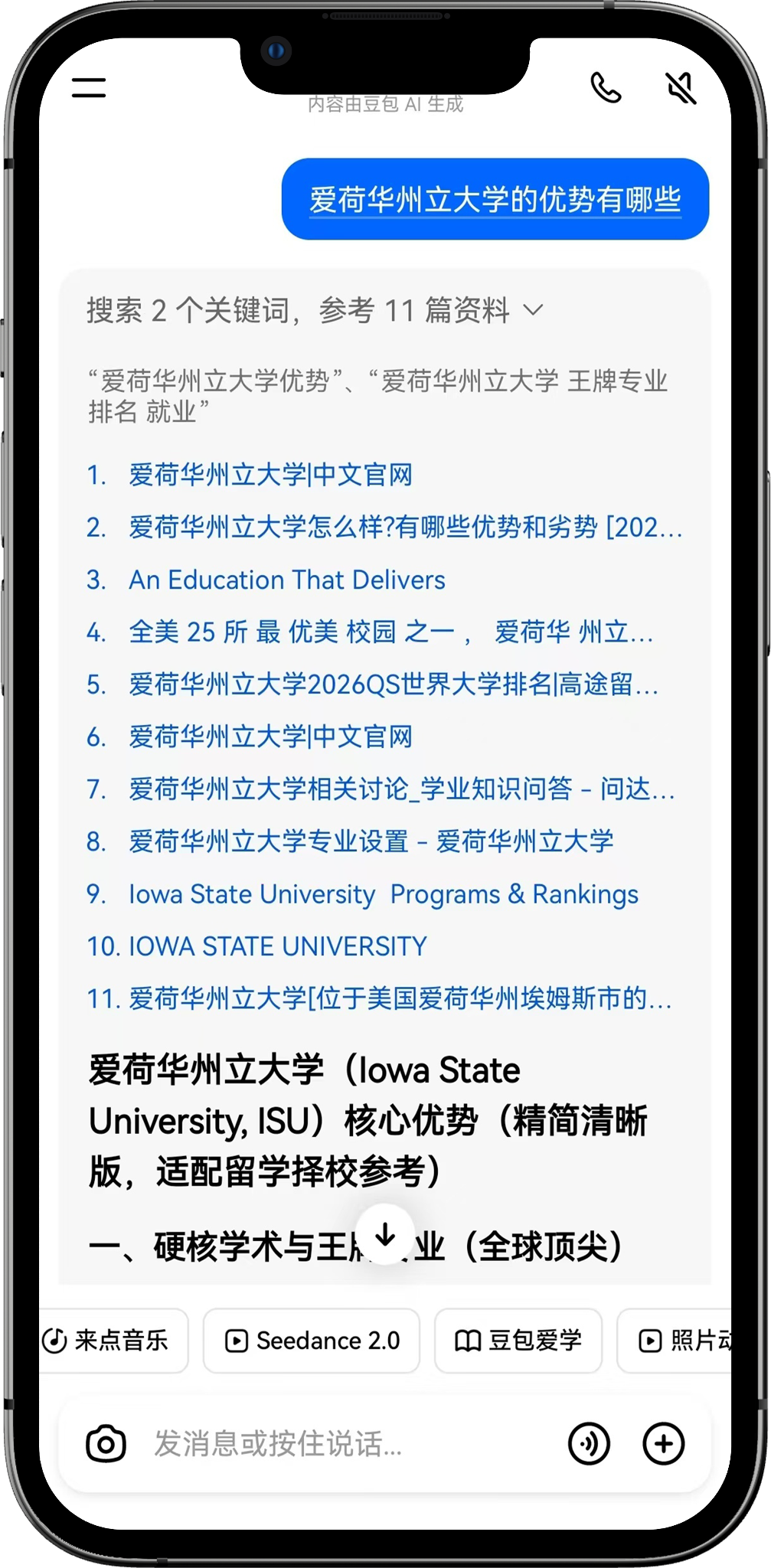
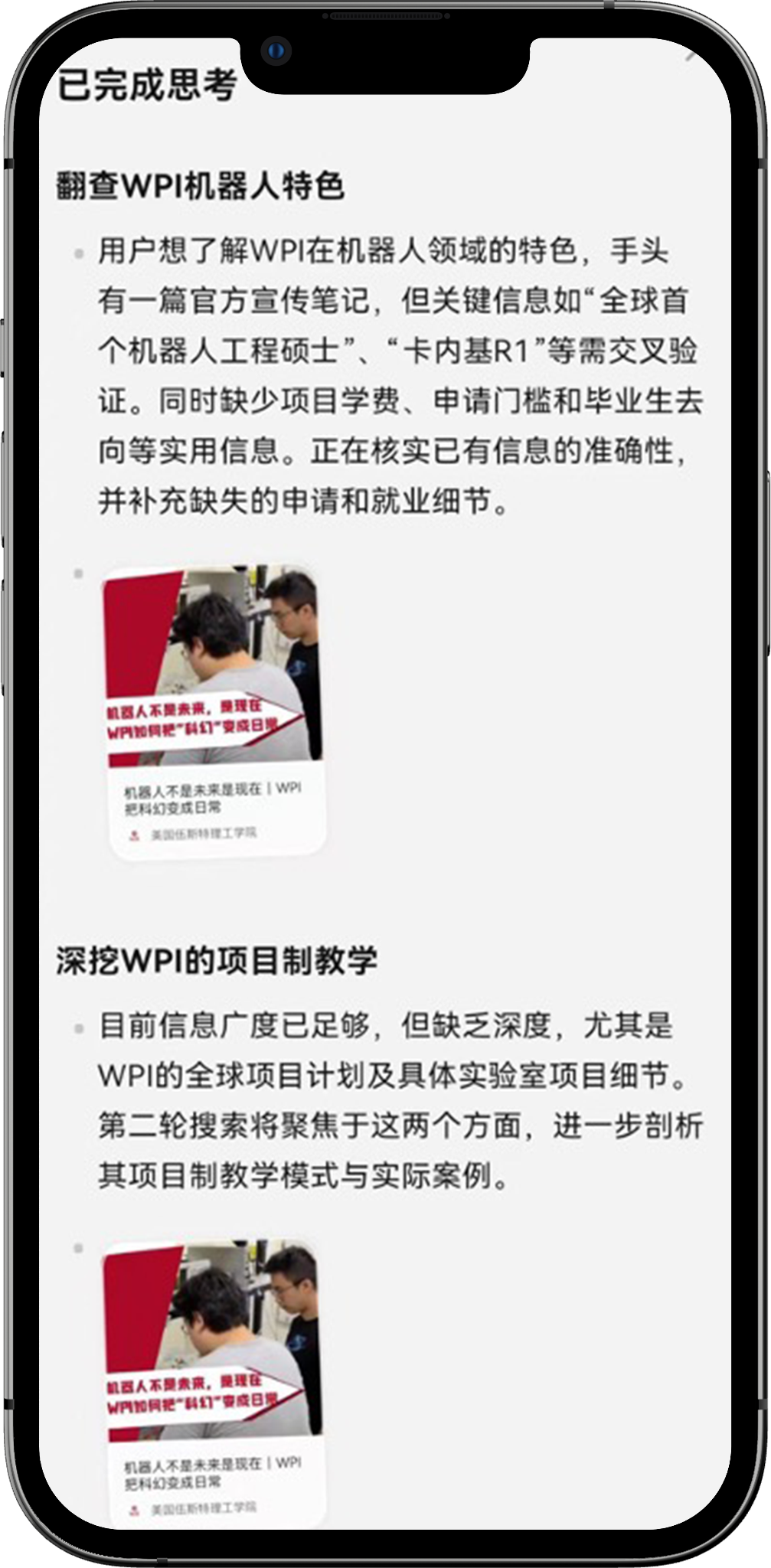
1. China’s Primary AI Search Platforms
Western platforms like ChatGPT, Gemini, and Claude are blocked behind China's Great Firewall. In their place, a highly sophisticated ecosystem of domestic AI models has emerged. The platforms your prospective students are using right now include:
DeepSeek: A powerful open-source model that has rapidly integrated into various productivity tools used by tech-savvy Chinese students.
Doubao (by ByteDance): Powered by the creators of TikTok/Douyin, Doubao has captured a younger demographic with its highly conversational, intuitive interface and rapid adoption rates.
Yuanbao (by Tencent): Developed by WeChat’s parent company Tencent, Yuanbao has seamlessly integrated with Tencent’s social ecosystem, which has the largest number of users in China.
Other major models: Kimi (by Moonshot AI), Ernie Bot (by Baidu), QWen (by Alibaba), Diandian (by RedNote), etc.
2. The Intersection of AI and Chinese Social Media
The most significant difference between Chinese AI tools and their Western counterparts is not processing power or interface design. It is how deeply Chinese AI is embedded in live social media platforms. Chinese students do not separate social browsing from information research: a large share of study abroad discovery happens on RedNote (Xiaohongshu) and WeChat. AI hasn't replaced these platforms; it has made them more central to how students research and decide.
AI-Enhanced Social Search: RedNote and Wechat have embedded native AI search features directly into their apps. When a student searches for "best US universities for accounting" on RedNote, Wenyiwen surfaces a ranked summary drawn from hundreds of student reviews and posts directly at the top of the feed. Baidu operates similarly, with its own AI layer surfacing synthesized answers above traditional search results. The line between social platforms and AI engines is increasingly difficult to draw.
Social Data Feeds AI: Western AI models are trained primarily on static web data and indexed pages. Chinese AI tools work differently. They draw in roughly equal measure from both the open Chinese web and social ecosystems. Kimi, Ernie Bot, and Doubao pull from active social media ecosystems in real time. What students post about your campus on RedNote today directly influences how these models describe and rank your institution tomorrow. The social layer and the AI layer are effectively the same system.
3. How This Changes the Student Journey
A Chinese high schooler researching study abroad options today is less likely to open Baidu and more likely to type a prompt directly into Deepseek or Doubao:
"I am a high school senior in Shanghai with a 3.8 GPA and an 8.0 IELTS score. I want to study Data Science in the UK, prefer a campus-based university close to a major city, and care about post-grad industry placements. Give me a ranked list of 5 target schools and compare their living costs."
Within seconds, the AI draws from Chinese social platforms, verified institutional accounts, and ICP-verified university landing pages to deliver a ranked, customized comparison. The sources it can access are shaped entirely by what your institution has built within the Chinese digital ecosystem. If that foundation is thin, you will not appear in the answer.
4. GEO in China: What's Different
If your institution is already applying GEO principles in Western markets, the same logic holds in China: structured, authoritative content gets cited; thin or unverified content gets ignored. What differs is where that content needs to live and what counts as authoritative.

How do Chinese AI Models gather your information?
Chinese AI models strongly prefer three main sources: official verified accounts on major Chinese social platforms, ICP-verified Chinese websites, and official coverage on Chinese media platforms such as WeChat, RedNote, and Bilibili. Not all sources carry equal weight. Information from official verified accounts or websites holds the highest value. Articles and press coverage published on established platforms such as People.cn, China Daily, and Sina Edu are treated as higher-authority references than random user-generated comments, and are more likely to be drawn from when AI models construct responses about your institution. Getting content onto these channels is only the first step; how that content is structured matters just as much. Entry requirements buried in a PDF or course information presented as an image-only flyer on WeChat cannot be read by AI models, and will not be included in the comparisons they generate.
The ICP verification requirement adds a layer of urgency that has no direct equivalent in Western markets. Under Chinese internet regulations, AI platforms are only permitted to index content from ICP-verified websites. They place strong emphasis on verified, authoritative web sources, as well as content on local social platforms. If your official Chinese digital presence is thin or unverified, you leave your reputation purely to user-generated social discussions.
With traditional search, secondary sources provided a degree of passive visibility. With AI-driven search, that buffer is gone. ICP-verified, locally maintained, and clearly structured content is the foundation on which AI visibility is built.
5. How Sunrise Can Help
Sunrise builds the exact digital infrastructure that feeds Chinese AI platforms from ICP-verified websites, SEO content to authoritative media coverage, and active verified social accounts on RedNote, WeChat, and Bilibili. We create locally hosted, AI-readable pages, establish consistent profiles across knowledge platforms, secure credible media placements, and publish structured content that Chinese models actually index and trust. The result: your institution appears accurately and favorably in Doubao, DeepSeek, Yuanbao, and other AI responses.
Students are increasingly relying on AI to decide where they should study. Get in touch with Sunrise and let us ensure your university is the answer they receive.